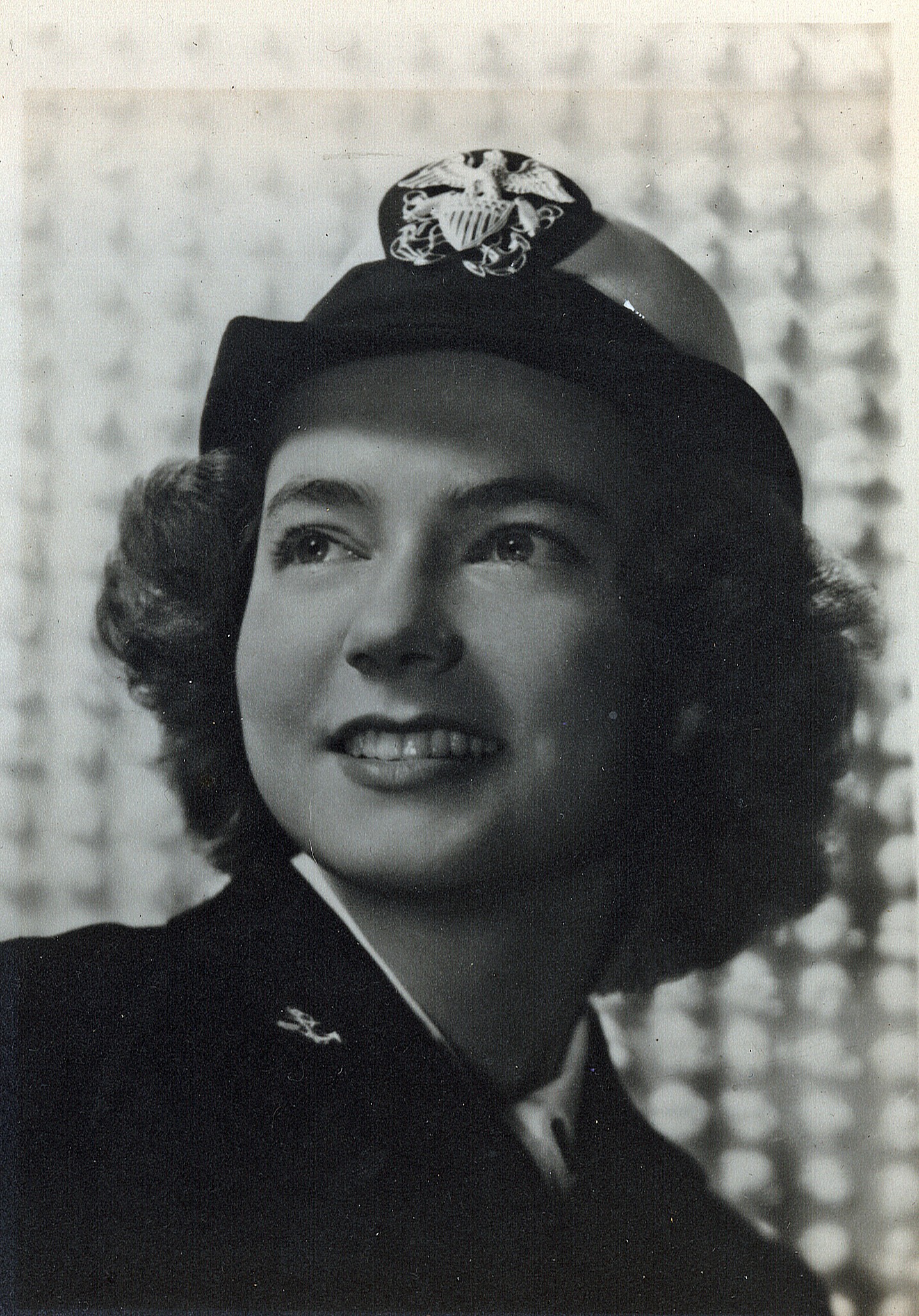
They met on a train during World War II. Navy Lt. Griffith “Griff” Way and Lt. junior grade Patricia “Pat” O’Sullivan were both heading from Seattle, Washington, to a Japanese language school in Boulder, Colorado. His mother had given him a newspaper clipping about Pat, with a picture, and told him to look for her since they both hailed from Seattle. Their meeting on that train led them to fall in love and eventually spend the rest of their lives together. On March 31, 2026, the couple was laid to rest in a dual funeral service at Arlington National Cemetery.
Griff proposed before he shipped out to the Pacific and landed with the 2nd Marine Division on the Japanese-held island of Saipan. Meanwhile, Pat headed to Washington, D.C., to serve in the offices of Naval Intelligence and Naval Communications within the Office of Naval Operations.
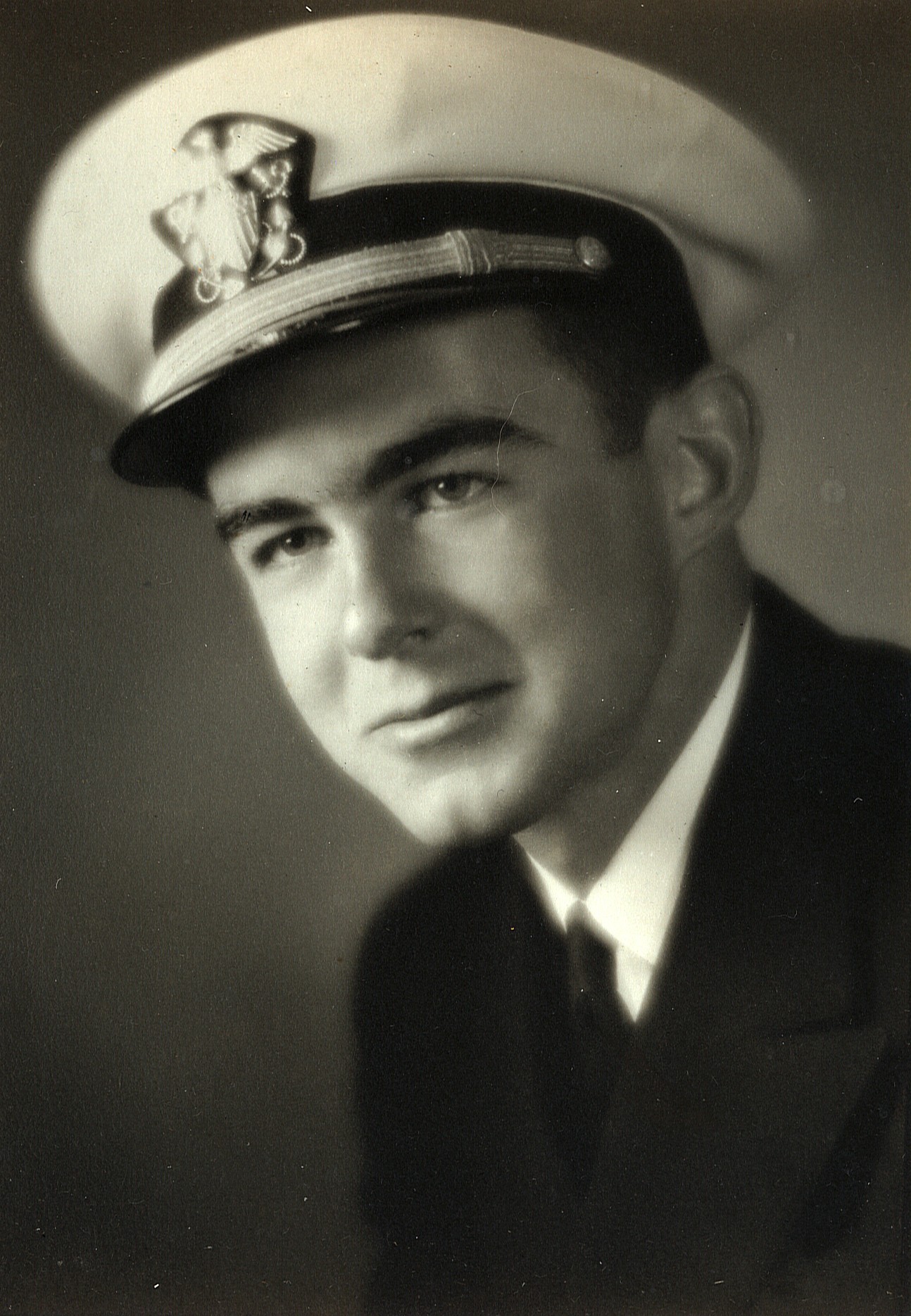
After the Marines landed on Saipan on June 15, 1944, Griff came ashore a few days later with a duffel bag full of Japanese dictionaries. He spent the campaign decoding Japanese maps and battle plans with fellow translator Lt. junior grade Herbert Deane. It was dangerous work. Bullets whizzed through Griff’s tent, and he even caught a grazing shot to the head one night and had to crawl a long distance to safety.
By translating Japanese documents, Griff and Deane pinpointed Japanese strongpoints, as well as fuel and ammunition depots, and relayed the information to the Marines as they fought across the island. The two officers also made an amazing discovery: the Japanese defense plan for Tinian, the next island targeted for invasion. The Marines were scheduled to land on the southwest corner of the island, against the strongest Japanese defenses. They sent a message to the navy commander’s planning staff, recommending they direct the Marines to land on the island’s northwestern sector.
The planning staff initially resisted changing the landing site, but after gathering additional intelligence from Japanese POWs, they decided to land on the northwest section of Tinian, as Griff and Deane had recommended. The change saved possibly thousands of Marine lives.
When Japan surrendered on Aug. 14, 1945, Griff was part of the first group of Americans to occupy Japan, where he used his language and diplomatic skills to help the country rebuild. Once his duty concluded, he returned to the United States, where he and Pat—who had stayed connected through letters—reunited and married in 1946. They spent the next 73 years together.
Griff pursued his career as a lawyer and Pat raised their four children: Susan, Nancy, Gerald and Bill. The couple also developed a love for their former adversary, Japan. Griff split his time between the two countries, representing both American and European companies in Japan. The couple also collected Japanese artwork, which was exhibited in both the United States and Japan and eventually donated to the Seattle Art Museum.
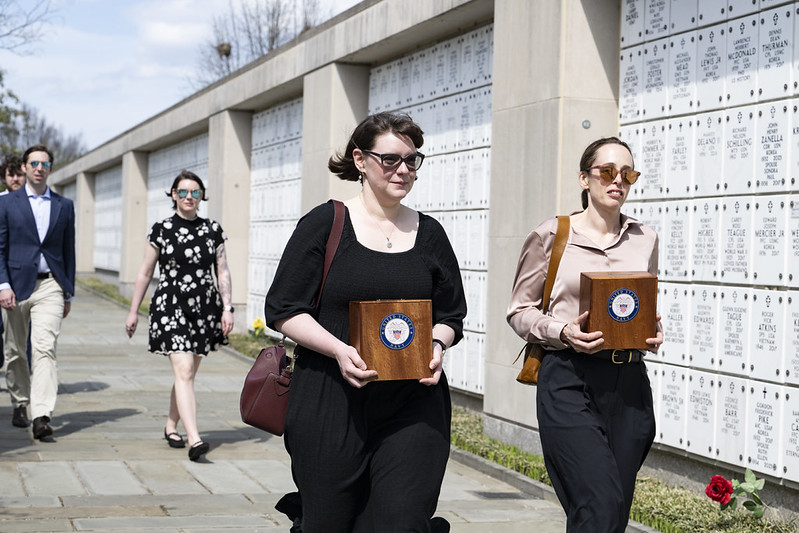
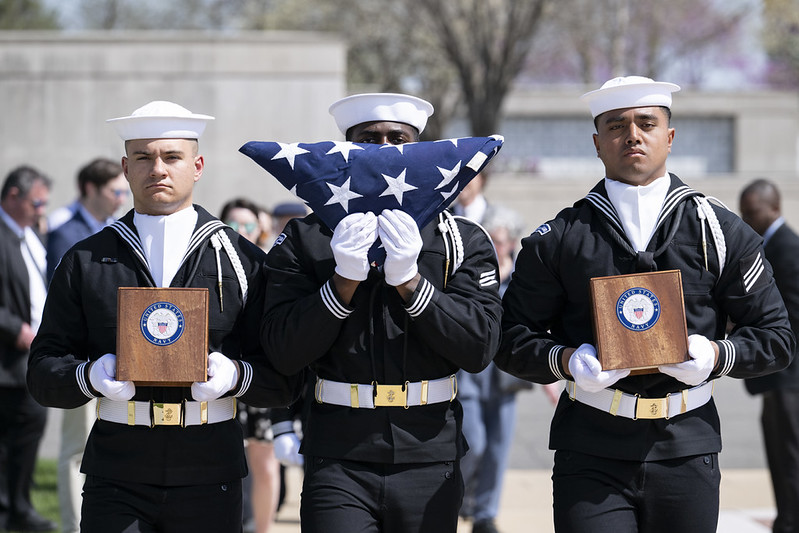
At their dual funeral service at Arlington National Cemetery, their eldest daughter, Susan, cried as a sailor presented her with the flag that the honor guard had held and folded over her parents’ urns. She felt her parents would have been honored by the Navy funeral. A second flag was given to the Ways’ grandson, Sean Breene. Youngest son Bill provided the eulogy, telling the family, “We are not only honoring what they did, but who they were: two lives of service, lives of partnership, one enduring legacy.” After the service ended, the Ways’ grandchildren passed around the two urns, both emblazoned with the seal of the U.S. Navy, to say a final goodbye.
The grandchildren recounted stories about chess games, hikes and Champagne at the dinner table. One granddaughter, Shields Way, recalled that her grandfather once told the family that he could not have asked for a better life; he loved his wife, was proud of his children and grandchildren, and regretted nothing. “I never heard him speak so clearly,” she concluded.
The Ways’ children chose Arlington National Cemetery so that people could connect with their parents’ World War II story. “We just wanted a place that would be meaningful to both of them,” Bill said, “and a place meaningful to us and meaningful to the future generations.”